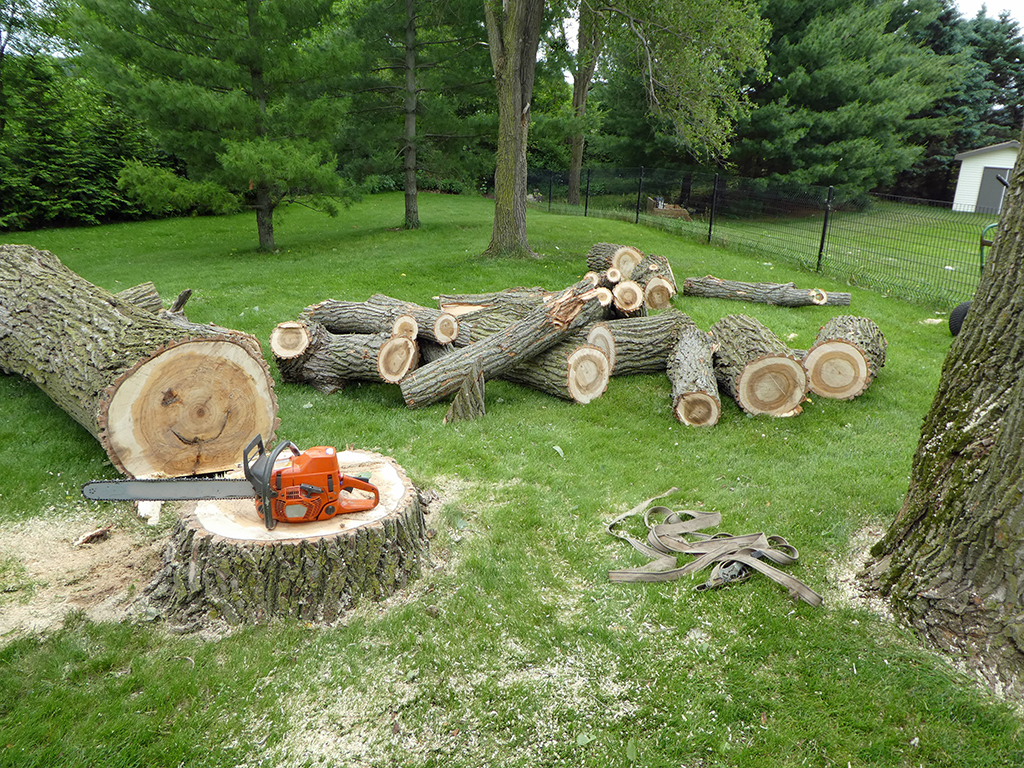
Top Warning Signs That Your Trees May Need Immediate Attention Sep 10, 2026
Firstly, one of the most noticeable signs of a tree in distress is dead or hanging branches. Typically found in the crown of the tree, these branches pose a significant risk, especially during storms or strong winds. They can easily break off, causing damage to property or injury to people below. Regular inspections can help spot these risky limbs early.
Another critical indicator is the presence of deep cracks or splits in the tree trunk. Such structural weaknesses can jeopardize the tree’s stability and, if left unattended, may lead to catastrophic failure. While some small cracks are natural, large, extensive fissures should be evaluated by a tree professional to determine the best course of action.
Fungal growth is another worrying symptom. Mushrooms or conks growing at the base or on the trunk are signs of internal decay. Fungi thrive on decaying wood, suggesting that the tree’s structural integrity is compromised. Monitoring your trees for unusual growths or discolorations can help in early detection of disease.
Leaning trees can be a significant hazard. While some trees naturally grow at an angle, a sudden or increased lean indicates root damage or soil instability. This situation is especially dangerous as it suggests that the tree’s anchorage in the soil is compromised. Immediate professional assessment is essential to determine the stability and viability of the tree.
The appearance of leaves or branches is also telling. Sparse foliage or prematurely discolored leaves can signal disease or insect infestation. Spotting yellowing leaves in the wrong season or noticing wilting branches may mean that the tree is struggling to maintain its health. Nutrient deficiencies or pest invasions often manifest through the leaves, making their inspection crucial during routine garden maintenance.
In addition to visual inspections, the sound a tree makes can also indicate issues. Hollow or dull sounds when tapped could denote internal decay or cavities, suggesting the need for a more comprehensive health assessment of the tree’s internal structure.
It’s crucial to take action when you notice these signs. Delaying necessary care can lead to further deterioration, potentially increasing the risk of tree failure. Consulting with Stinger Tree Service can ensure the health of your trees is evaluated by experts who can recommend appropriate solutions, whether it be pruning, disease management, or in extreme cases, removal.
Finally, regular tree maintenance, such as thinning, cabling, and bracing, can significantly extend the life and beauty of your trees. Routine check-ups help in identifying problems before they become severe, maintaining not only the tree’s health but also the safety and value they add to your property.
In conclusion, being proactive about tree health is essential. By recognizing the warning signs early and consulting with professionals like Stinger Tree Service, you can continue to enjoy the benefits trees bring to your landscape while ensuring your environment remains safe and beautiful.
/filters:no_upscale()/filters:format(webp)/media/0df57cf8-2fbb-4b71-8d84-016e49effaa4.webp)
/filters:no_upscale()/filters:format(webp)/media/271d502d-557e-4330-abd1-2baed9e35ff5.jpeg)