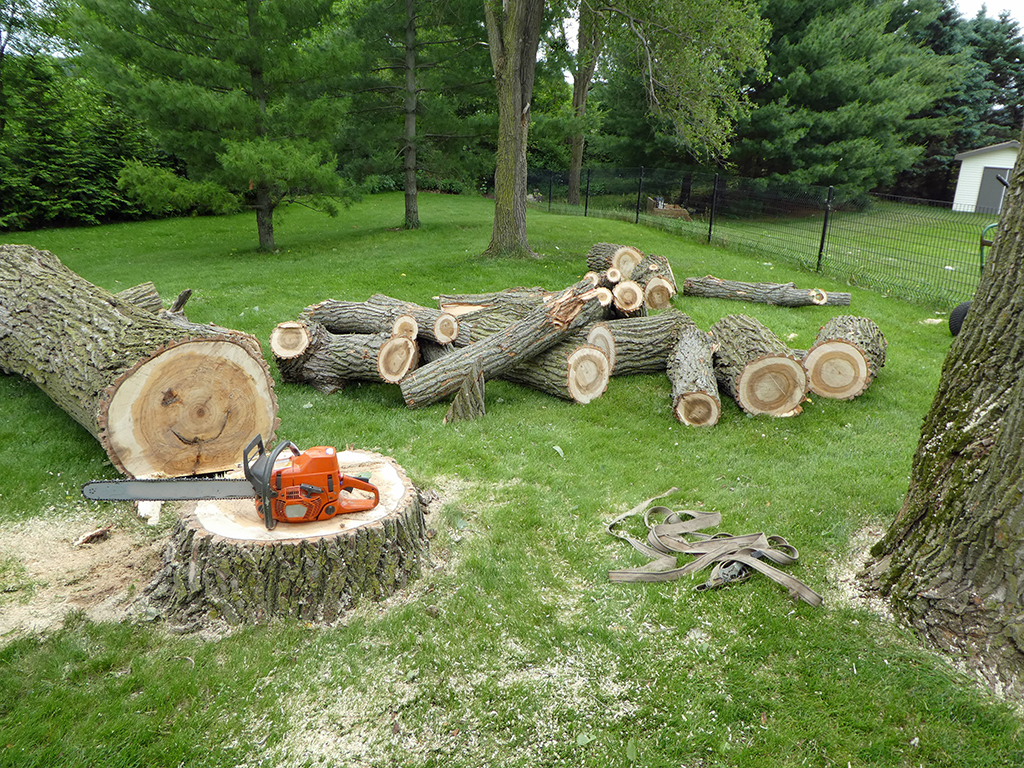
Tree Transplanting Demystified: A Comprehensive Guide from Stinger Tree Service Sep 17, 2026
Understanding when and why to transplant a tree is crucial. Ideally, trees should be transplanted during their dormant season—late fall or early spring. This timing minimizes the shock and stress placed on the tree, as it is not in the active growth phase. Reasons for transplanting may include landscape redesign, improving environmental conditions, or moving a tree to a safer location. Recognizing these factors ensures the tree thrives post-transplantation.
Preparation is key when it comes to successful tree transplanting. Begin by assessing the tree's current health. Healthy trees with no signs of disease or damage have a better chance of surviving the move. Next, choose a suitable new location that replicates or improves upon the tree's current growing conditions. This means considering soil type, sunlight, and space for the tree’s mature canopy and root system.
The actual process of transplanting a tree involves several critical steps. Start by watering the tree thoroughly a few days before the move to ensure the root ball is moist and intact. Carefully dig around the root ball, maintaining a radius that includes the majority of the roots. Wrap the root ball in burlap to keep it together during transportation. This practice is essential in reducing root disturbance and helping the tree settle into its new location more efficiently.
Planting the tree in its new location involves creating a hole that is twice as wide but no deeper than the root ball. The tree should be planted at the same depth as before to prevent further stress on the root system. Backfill the hole with native soil and water thoroughly to eliminate air pockets that can harm roots. Keeping the soil consistently moist after planting is vital for encouraging root establishment.
Post-transplant care is equally important to a tree's long-term survival. New transplants require consistent watering, especially during the first few months. A mulch layer around the base helps retain moisture and prevent weed growth, which can compete for resources. Monitoring the tree for signs of stress, such as wilting or yellowing leaves, allows for timely intervention if needed.
While the DIY spirit is commendable, tree transplanting often benefits from professional involvement. Engaging a professional service like Stinger Tree Service ensures the process is handled with expertise and precision. Our team assesses each tree individually, considering factors such as age, species, and size to develop a tailored transplanting plan. We handle everything from the initial assessment to post-transplant care, ensuring your tree has the best chance of thriving in its new environment.
In conclusion, tree transplanting, when done correctly, allows for adaptable and dynamic landscape design. Understanding the ideal timing, thorough preparation, and diligent post-care all contribute to a successful transplant. Whether you opt to take on this project yourself or enlist the expertise of Stinger Tree Service, know that with the right care and attention, your trees can continue to grow and enhance their new surroundings.
/filters:no_upscale()/filters:format(webp)/media/0df57cf8-2fbb-4b71-8d84-016e49effaa4.webp)
/filters:no_upscale()/filters:format(webp)/media/271d502d-557e-4330-abd1-2baed9e35ff5.jpeg)